

TRIATHLETES will converge on Troutbeck Resort on March 14 for the Bonaqua Africa Triathlon Cup, pushing human engines to the limit to secure vital Olympic ranking points.
Triathlon is traditionally a three-part operation comprising swimming, cycling, and running. However, this year’s festival initiates a new protocol by elevating hydration from a basic maintenance need to the “fourth discipline” of the sport.
Bonaqua is celebrating 12 years as the primary energy source for the event, and this year they are optimising the field by introducing Powerade to the Zimbabwean market. This addition aligns perfectly with the engineering of the human body.
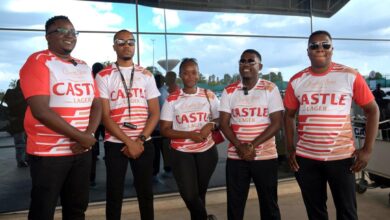
Ropafadzo Gwanetsa, speaking for the sponsors at the media briefing in Harare, explained this new schematic. “It is the launch of a new operating system for sports performance,” she said.
“Triathlon is one of the toughest tests in the world. Every athlete knows that without the correct fluid intake, the mechanism fails.”
The objective is to provide a complete fuel injection system for athletes. Bonaqua provides pure water for cooling, while Powerade provides the necessary energy to function before, during, and after the race.
The race awards World Ranking points that are essential calculations for the Los Angeles 2028 Olympic Games.
For elite Zimbabwean athlete Andy Kuipers, this mission is personal.
“This feels like a full system reset,” Kuipers shared, noting that she started her career at Troutbeck when she was only 13 years old.
“To stand on the start line now and execute the qualification sequence for my country feels surreal.” Kuipers believes the home crowd will provide the external power boost she needs to operate at maximum capacity.
Rick Fulton from the organising committee confirmed that international competitors are deploying to Zimbabwe.
The grid already includes racers from 14 nations, with competitors travelling from Germany, Austria, Canada, Japan, and China to match their skills against the terrain.
There are over 20 elite contenders signed up so far, yet the core driver of the event remains the local community. The festival includes events for all capacity levels, and organisers hope to see 400 athletes racing this year.
“Zimbabweans unfortunately leave everything to the last minute when it comes to registration,” Fulton noted.
The event also tests the connection between sport and tourism infrastructure. Emily Jesaya, the Deputy Minister of Sports, said the government is running diagnostics to ensure the event is a success.
“We are utilising sports tourism as a tool to upgrade the Zimbabwe brand,” Jesaya said, confirming that the government is inspecting hotels to ensure all systems are functioning at international standards.