

ZCC Gospel Pioneer Lucky Chikuwa Returns to His Roots with Golden Jubilee Classics


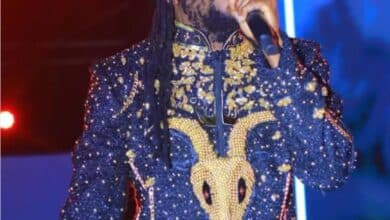
ONE of Zion Christian Church’s (ZCC) pioneering traditional gospel musicians, Lucky Chikuwa, took congregants down memory lane during the church’s Golden Jubilee celebrations in Gokwe with songs that helped shape its musical identity more than five decades ago.
Chikuwa, performing alongside his choir, The Mbungo Stars, revived some of his best known songs, including Nyika Ino Ichatongwa, Kusaziva Kufa and Zvainge Zvakaoma, as well as his latest release, ZCC at 50 Pa Defe.
The performance drew thousands of congregants, many of whom sang along to the familiar melodies, demonstrating the lasting appeal of Chikuwa’s music across generations.
“These songs carried us through difficult times,” Chikuwa told The Herald after his performance.
“The Jubilee was not just a celebration, but a reminder of where we came from as ZCC.”
Chikuwa is regarded by church music historians as one of the pioneers of the traditional gospel sound associated with ZCC, alongside the late Elder Mudhara Bhosvo, who was known for the hit Ndashaiwa Paumire.
Their music helped establish a distinctive sound built around Shona lyrics, spiritual messages and traditional musical influences.
That legacy is now being carried forward by a younger generation of ZCC musicians, including Prince Chigwida, Orbert Chari, Diiboi, Nicky Mutendi, Mr Forbes, Daddy Rwatiringa and Elder Mupinga, who also performed during the Golden Jubilee celebrations at Defe.
Chikuwa’s musical journey, however, has had its share of challenges. He was away from the church for a period before being readmitted by ZCC leader Bishop Nehemiah Mutendi.
“The door of the church is always open for those who return with a repentant heart,” Bishop Mutendi said in an earlier address, without referring to any individual.
Chikuwa has remained active in music and continues to record, with ZCC at 50 Pa Defe released as part of the celebrations marking the church’s 50th anniversary.
The song has received significant airplay at ZCC gatherings during the Jubilee year, further introducing Chikuwa’s music to younger congregants.
Music analysts said Chikuwa’s appearance at the celebrations reflected the importance of preserving the church’s musical heritage while embracing contemporary gospel sounds.
The Golden Jubilee also provided younger worshippers with an opportunity to connect with music from an earlier era, with some discovering Chikuwa’s songs for the first time.
“Music is how we pass on our history,” said one congregant.
“When Lucky and The Mbungo Stars sing, you feel the Defe of 50 years ago.”