
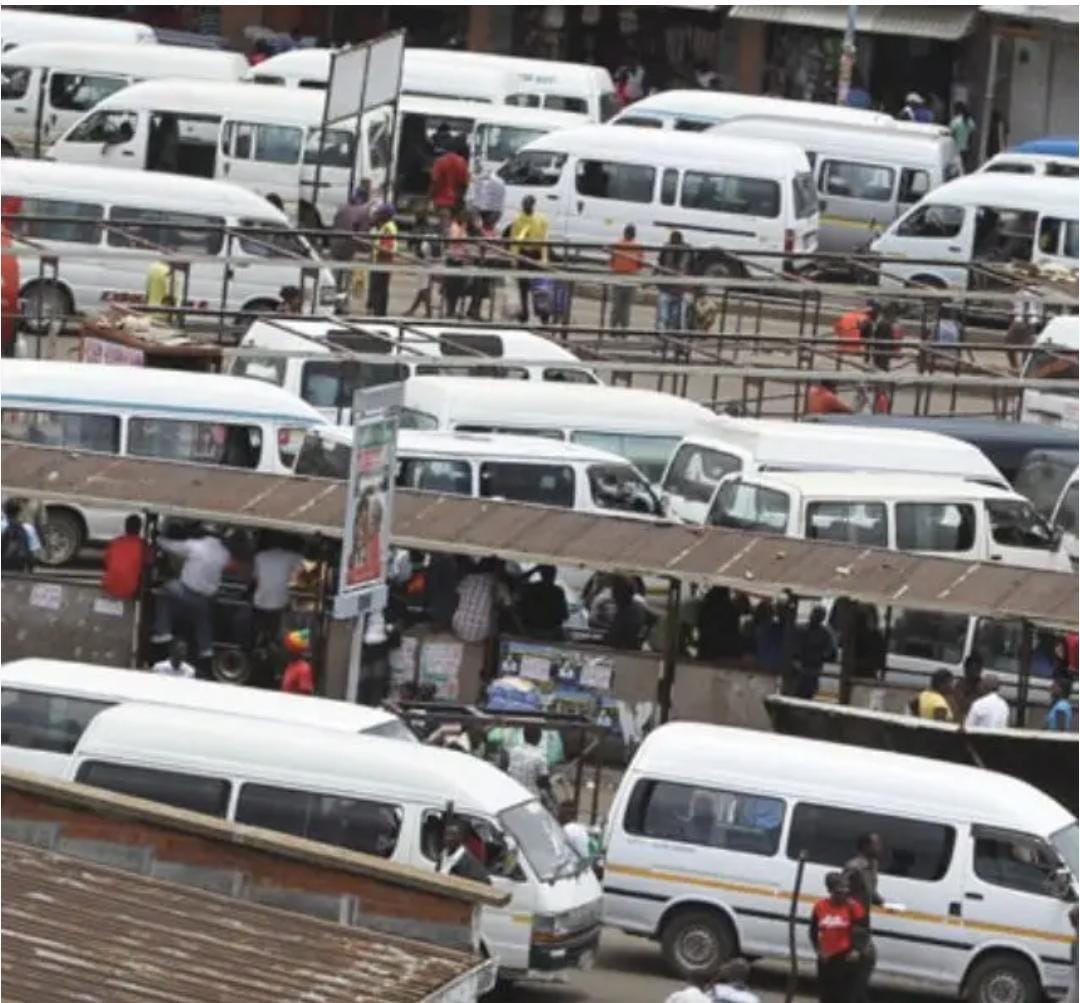
KOMBI fares have increased by 50-100% in Zimbabwe, with some routes now costing up to US$2.50 per trip, following a recent fuel price hike.
The Zimbabwe Energy Regulatory Authority (ZERA) raised the maximum pump price of petrol to US$2.07 per litre and diesel to US$2.17 per litre, effective March 19, 2026. As a result, kombi operators have increased fares, citing rising fuel and maintenance costs.
In Harare, fares have risen from US$1.50 to US$3 for trips from the city centre to Chitungwiza, while in Bulawayo, kombis are now charging US$1 from the city centre to high-density suburbs like Luveve and Mahatshula, up from 50 cents. Transport operators argue that the increase is unavoidable due to rising operational costs, but commuters are concerned that fares may not decrease even if fuel prices stabilize.
Commuters are feeling the pain as kombi fares have skyrocketed by 50% to 100% after a recent fuel price hike, with some now paying up to US$2.50 per trip as transport costs surge sharply across multiple routes and locations, increasing pressure on daily incomes.
The increases were widely reported on Thursday, 19 March 2026. Passengers across several routes said fares jumped overnight from around US$1 to between US$1.50 and US$2, while some longer or high-demand routes climbed to as much as US$2.50. For many commuters, the changes came without warning, forcing them to adjust their daily budgets immediately.
Commuters across several suburbs reported steep and near-uniform increases.
Some of the fares shared include:
Nyabira to town US$1.50 up to US$2, Crowborough to town: US$2, up from US$1
Dzivarasekwa to town: US$1.50, up from US$1
Cold Comfort to town: US$1.50, up from US$1
Seke areas to town: up to US$2.50
Mabvuku to town: US$2
Passengers said the increases were immediate and left them with limited options.
One commuter said:
“$2 mari Nyabira Town.. then town Stapleford $1.50.
Another added:
“2.50 from Southlea Park to town.”
Some commuters said the increases now mean a significant portion of their income is spent on transport alone, especially for those who take two trips to work.
Others reacted with disbelief and frustration.
One commuter said:
“Dollar per metre ufunge (Imagine paying a dollar per metre).”
Another commented:
“Ndangopinda ne 1 litre yangu ye diesel… It was accepted with gratitude (I paid using one litre of diesel).”
On 19 March 2026, commuters shared their experiences online, painting a picture of growing financial strain.
One commuter said:
“$1.50 from Budiriro to Harare CBD/Mbare.”
Another added:
“$1.50 from Highfield to Southerton.”
Others highlighted how transport costs are now competing directly with basic needs such as food.
Some said they are now considering alternatives such as walking longer distances, sharing transport, or adjusting travel times to avoid peak fares.
The fare hikes follow a fuel price increase announced yesterday on 18 March 2026.
Petrol is now priced at US$2.17 per litre, while diesel stands at US$2.05 per litre.
Zimbabwe’s fuel prices have risen sharply in recent months and are now the highest in the region.
Further breakdowns of the fuel pricing structure showed that a significant portion of the cost is made up of taxes and levies.
The analysis noted:
“Out of the US$2.17 you pay for a litre of petrol, nearly 86 cents goes to various government taxes.”
Transport operators said the fare increases were necessary to keep operations running.
A transport representative said:
“Fuel has been raised so suddenly without notice and the rise is alarmingly high.”
He added:
“There are a lot of factors affecting fares, but the main one is fuel.”
Meanwhile, residents in Bulawayo, speaking on 18 March 2026, called for intervention and urged authorities to bring back the Zimbabwe United Passenger Company (Zupco) to help stabilise fares.
One commuter said:
“There is a need for authorities and transport providers to come together and find a sustainable solution that protects commuters”
Some residents recalled that Zupco buses previously helped maintain more predictable fares, even though they sometimes required long waiting times.