

Zimbabwe’s Dam Levels Rise to 90.5% Despite Dry Spell, Zinwa Reports
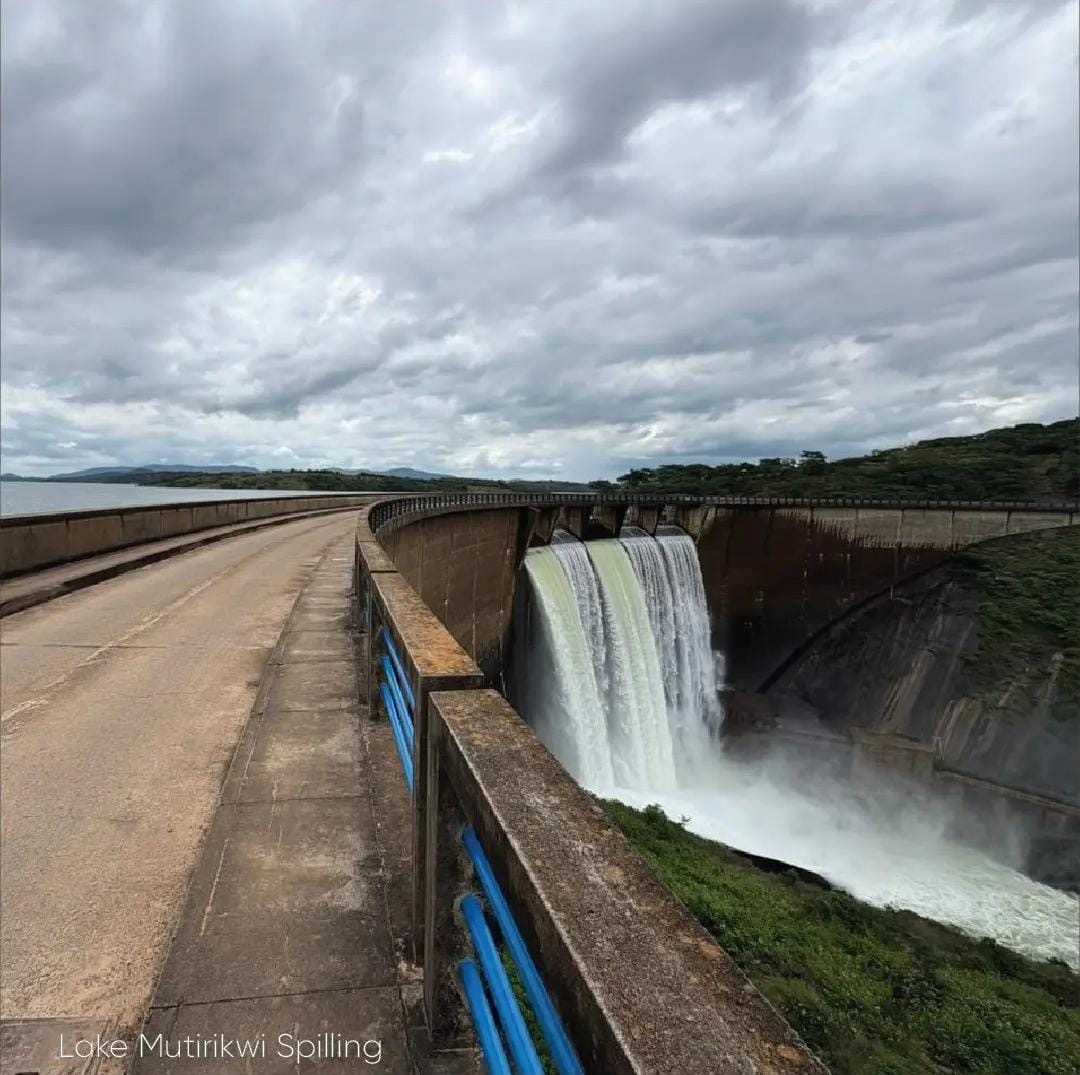
ZIMBABWE’s national dam levels have continued to rise, reaching an average of 90.5% despite the current mid-season dry spell, the Zimbabwe National Water Authority (Zinwa) has revealed. According to a statement released by Zinwa, water levels in the country’s major dams have been trending upwards, with 43 dams now at full capacity and only eight dams below 50%.
The country’s two largest water bodies, Tugwi-Mukosi and Lake Mutirikwi, are among the dams that are full, with others such as Bubi-Lupane, Insukamini, Khami, and Mtshabezi also at 100% capacity. Mtshabezi Dam, a critical water source for Bulawayo, is also full, providing relief to the city, which has faced water challenges in the past.
However, not all dams are in the same position, with Mazowe Dam remaining low at 11.2%, while Mwenje Dam in the Mazowe catchment is at 23.1%. Other dams with moderate to low levels include Upper Ncema (40.7%), Mzingwane (36.1%), and Lower Ncema (36.8%).
The Meteorological Services Department has predicted that rains will resume starting this week and continue until March, which should provide further relief to the country’s water situation. The forecast is expected to boost agricultural activities, particularly for winter wheat and other irrigated crops.
Zinwa head of corporate communications and marketing, Mrs Marjorie Munyonga, urged water users to exercise caution, saying, “Notwithstanding these high water levels in the dams, the authority wishes to reiterate that water is a finite resource and water users need to use the available water in an efficient and sustainable manner.”
The rising dam levels offer optimism for agricultural planning and hydro-electric power generation, but also require careful management. Farmers and authorities have been urged to work in close partnership to ensure equitable and sustainable water distribution in the coming months. The government has also been promoting water conservation measures, such as rainwater harvesting and efficient irrigation systems, to reduce the strain on the country’s water resources.
The current dam levels are a welcome respite for Zimbabwe, which has faced water shortages in recent years due to drought and inadequate infrastructure. The country has been investing in water management projects, including the construction of new dams and rehabilitation of existing ones, to improve water security.