



ZIMBABWE’s efforts to strengthen its skills base have gained momentum through deeper educational cooperation with China, with partnerships focusing on scholarships, vocational training, infrastructure development and academic exchanges.
The collaboration comes at a time when Zimbabwe is seeking to address skills shortages in key sectors while advancing its Education 5.0 model and Vision 2030 development agenda.
While Zimbabwe has maintained one of Africa’s highest literacy rates and a strong foundation in basic education, the country continues to face shortages of specialised skills in areas such as digital technology, mining, agriculture, healthcare and engineering.
Technical and vocational education has therefore become a major focus of Zimbabwe-China cooperation, with both countries viewing skills development as a long-term investment in economic transformation.
The establishment of institutions such as the China-Zimbabwe Engineering Technology Academy and the Silk Road Teacher Capacity Building Centre at Harare Polytechnic reflects efforts to strengthen practical training and improve access to modern learning facilities.
Chinese Ambassador to Zimbabwe Zhou Ding has described the partnership as being built on sincerity, practical results, friendship and good faith. China’s support has included scholarships, educational infrastructure projects, technical exchanges and cultural programmes.
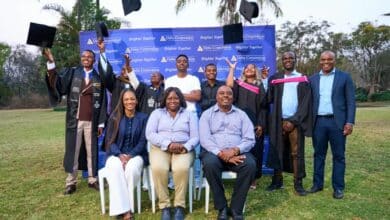
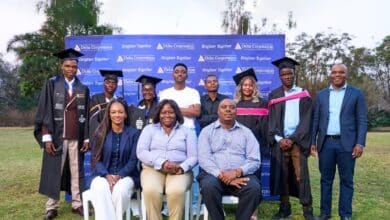
The cooperation has also expanded through scholarships for Zimbabwean students studying at Chinese universities. In 2026, 61 Zimbabwean students received the Zimbabwe-China Friendship Scholarships, allowing them to pursue postgraduate studies in areas including artificial intelligence, agriculture technology, clinical medicine and civil engineering.
Beyond academic training, the programmes have created opportunities for cultural exchange, with students gaining exposure to Chinese language, technology and innovation.
Educational infrastructure projects supported through bilateral cooperation have also increased. Facilities at institutions including Chinhoyi University of Technology, Lupane Primary School and the Zimbabwe-China Friendship School in Bindura form part of efforts to improve learning environments and expand access to education.
Zimbabwe’s Minister of Higher and Tertiary Education, Innovation, Science and Technology Development Frederick Shava has said educational cooperation forms part of the country’s strategic partnership with China and reflects Zimbabwe’s own development priorities.
The cooperation has also included community-level cultural activities aimed at strengthening people-to-people relations. Events such as International Children’s Day celebrations hosted by the Chinese Embassy have introduced Zimbabwean children to Chinese culture while promoting greater understanding between the two nations.
However, despite the benefits, challenges remain.
One concern is that educational resources and opportunities are often concentrated in urban centres, particularly Harare, leaving some rural communities with limited access to advanced facilities, digital resources and specialised training.
There are also concerns about retaining graduates who gain international qualifications, as some may seek opportunities outside Zimbabwe rather than applying their skills locally.
Another challenge is ensuring that vocational training programmes are adapted to Zimbabwe’s specific economic conditions. While Chinese technical expertise provides valuable lessons, training models must reflect local realities, particularly in sectors such as mining and agriculture.
For Zimbabwe-China educational cooperation to achieve its full potential, future programmes will need to focus on wider access, stronger rural support systems, skills retention and greater alignment between training and local industry needs.
The partnership represents an important opportunity for Zimbabwe to develop a skilled workforce capable of supporting economic growth. However, its long-term success will depend on creating programmes that combine international expertise with local knowledge and priorities.
A balanced approach that recognises both achievements and challenges will ensure that educational cooperation delivers lasting benefits for Zimbabwe’s development goals.
About the Author
Notice Pasipamire is an Associate Professor of Information Studies. His research interests include education, artificial intelligence and digital literacy. He also serves as Vice National Chairman of the Presidential Programme for Professionals.
Email: npasipamire@gmail.com |@protonmail.com