


Environmental Groups Seek Court Halt to Coal Power Project Near Lake Chivero

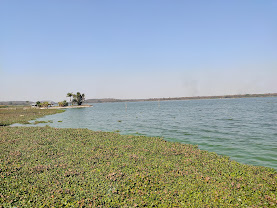
FOUR environmental and residents’ organisations have asked the High Court to stop construction of a coal-fired power station planned about two kilometres from Lake Chivero, arguing that the project is moving ahead while key environmental issues remain unresolved.
BirdLife Zimbabwe, the Zimbabwe Wetlands Trust, the Combined Harare Residents Association (CHRA) and the Mwashuma Park Homeowners Association appeared before Justice Chidziva on 9 November seeking an interim order to pause the project pending legal challenges to its environmental approvals.
The proposed plant is located near Lake Chivero, which supplies water to millions of people in Harare and surrounding communities. The site also falls within the Lake Chivero and Manyame Ramsar area, a wetland recognised internationally for its ecological importance.
The organisations argue that a coal-fired project of this scale should not proceed until there is clear evidence that its effects on water resources, wetlands, biodiversity and nearby communities have been fully assessed.
At the heart of the dispute is an Environmental Impact Assessment (EIA) certificate issued by the Environmental Management Agency (EMA). The groups lodged an appeal against the certificate more than a year ago and say it has still not been decided.
They maintain that their court action is not aimed at blocking development or addressing Zimbabwe’s energy shortages. Instead, they argue that major projects should comply with environmental laws and safeguards before construction begins.
The applicants also note that the proposed facility is not intended to supply electricity to the national grid, but would serve a Chinese-owned tile manufacturing company.
Through the application, the four organisations are asking the court to ensure that no irreversible environmental damage occurs while the outstanding legal and regulatory questions are settled.
The case is expected to add fresh scrutiny to the balance between industrial development, energy demand and the protection of critical water and wetland resources around Harare.